
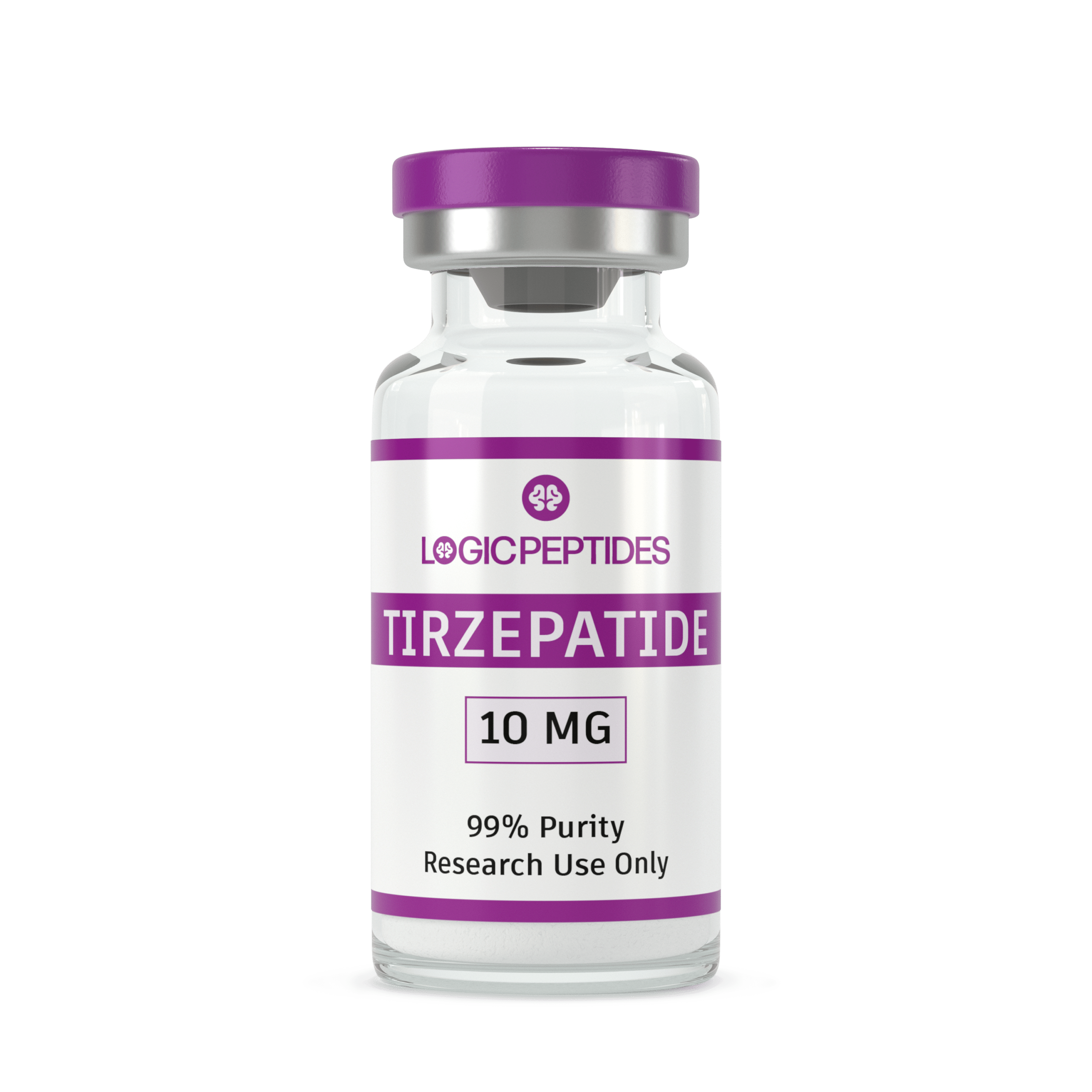
Tirzepatide 10mg
$145.00$115.00
Dual-Action Incretin Mimetic for Metabolic Support
Tirzepatide is a "first-in-class" injectable medication that acts as a dual agonist for two key metabolic hormones: Glucagon-like Peptide-1 (GLP-1) and Glucose-dependent Insulinotropic Polypeptide (GIP).1 Often referred to as a "twincretin," it mimics these naturally occurring gut hormones to provide a multi-faceted approach to blood sugar regulation and weight management.2
+1
Core Benefits & Mechanism of Action
Tirzepatide works by activating receptors in the pancreas, brain, and digestive tract to improve metabolic function:3
Glycemic Control: It tells the pancreas to release insulin in response to food and lowers the amount of sugar produced by the liver, leading to significant reductions in A1c levels.4
Appetite Regulation: By acting on the hypothalamus (the brain’s hunger center), it increases feelings of fullness, reduces food cravings, and suppresses appetite.5
Slowed Digestion: It delays gastric emptying (the speed at which food leaves the stomach), which helps prevent sharp spikes in blood sugar after meals.6
Cardiovascular Support: Research suggests potential benefits in reducing cardiovascular risk factors and improving lipid metabolism.7
Superior Weight Loss: In clinical trials (such as SURMOUNT-1), users on high doses lost an average of 22.5% of their body weight over 72 weeks, outperforming single-agonist medications like semaglutide in head-to-head studies.8
Product Details
Feature | Specification |
Active Ingredient | Tirzepatide |
Concentration | 10 mg/mL |
Class | Dual GIP and GLP-1 Receptor Agonist |
Format | Sterile solution for subcutaneous injection |
Common Uses | Type 2 Diabetes, Obesity/Weight Management, Obstructive Sleep Apnea |
Suggested Usage & Administration
Frequency: Administered as a subcutaneous injection once weekly, on the same day each week, with or without meals.9
Injection Sites: Typically injected into the abdomen, thigh, or back of the upper arm.10 It is important to rotate the injection site with each dose.11
+1
Dosing Schedule: Usually starts at a low "initiation" dose (e.g., 2.5 mg) for the first four weeks to allow the body to adjust, followed by gradual increments (usually every 4 weeks) until a maintenance dose is reached.12
Missed Dose: If a dose is missed, it can be taken within 4 days (96 hours). If more than 4 days have passed, skip the dose and resume the normal weekly schedule.13
Safety & Storage
Common Side Effects: Primarily gastrointestinal, including nausea, vomiting, diarrhea, constipation, and decreased appetite.14 These are most common during the dose-escalation phase.
Storage: Should be stored in the refrigerator.15 It can typically stay at room temperature for up to 21 days but must be protected from light and never frozen.16
+1
Contraindications: Not for use in patients with Type 1 diabetes or a personal/family history of Medullary Thyroid Carcinoma (MTC) or Multiple Endocrine Neoplasia syndrome type 2 (MEN 2).17
Monitoring: Regular check-ins with a healthcare provider are necessary to monitor kidney function, A1c levels, and potential signs of rare but serious conditions like pancreatitis.18