
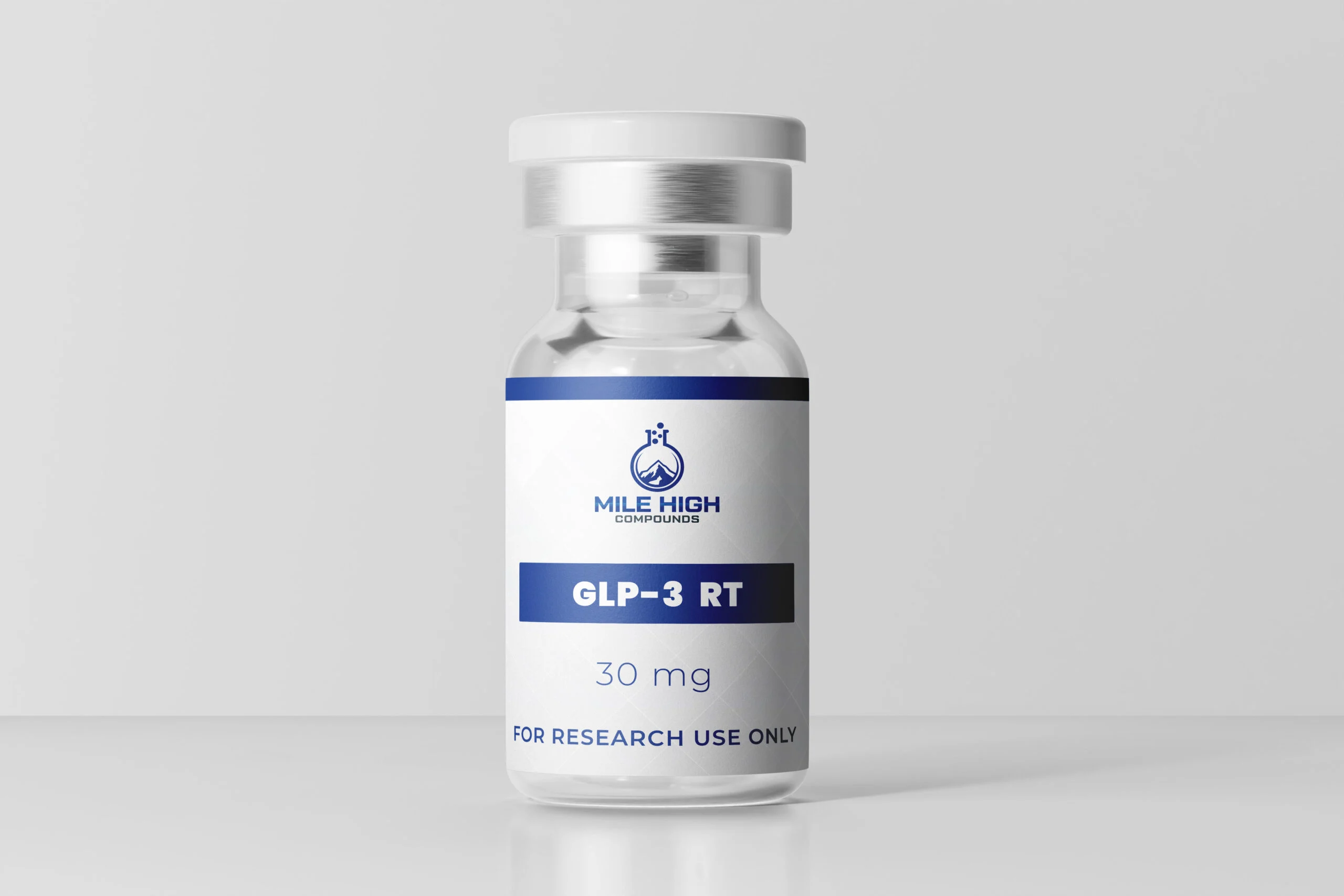
GLP-3-RT Triple-Agonist Formula
Advanced Metabolic Synergy for Comprehensive Weight Management
$125.00$95.00
GLP-3-RT (often referred to in research circles as Retatrutide) represents a significant leap in metabolic science, advancing beyond the capabilities of single and dual-agonist therapies. It is categorized as a "Triple Agonist" because it simultaneously engages three essential hormone receptors: the Glucagon-like Peptide-1 (GLP-1), the Glucose-dependent Insulinotropic Polypeptide (GIP), and the Glucagon Receptor (GCGR). While existing treatments have mastered appetite suppression and insulin regulation, the addition of the third "G"—glucagon—introduces a thermogenic component that enhances energy expenditure and fat oxidation.
This formula is designed for those seeking a highly integrated approach to metabolic health. By pulling three distinct physiological levers, GLP-3-RT helps the body recalibrate its metabolic "set point," making it one of the most powerful tools currently being studied for the management of body composition and glycemic control.
Primary Benefits to the Body
The triple-agonist profile of GLP-3-RT provides a multifaceted impact on the body’s metabolic and endocrine systems:
Enhanced Caloric Burn (Thermogenesis): The activation of the glucagon receptor stimulates the body to increase its resting metabolic rate, helping to burn more calories even during periods of inactivity. Targeted Fat Mobilization: Glucagon signaling encourages the liver and adipose tissues to break down stored fat (lipolysis) and convert it into usable energy. Precision Appetite Control: By mimicking both GLP-1 and GIP, the peptide slows gastric emptying and sends potent satiety signals to the brain, significantly reducing cravings and "food noise." Optimal Glucose Regulation: It stimulates insulin release in response to meals while inhibiting the liver from producing excess glucose, creating a stable environment for blood sugar management. Cardiometabolic Support: Research indicates improvements in lipid profiles and blood pressure as a secondary benefit of more efficient metabolic processing and weight reduction.
Normal Dosage and Administration
GLP-3-RT is administered once weekly via a subcutaneous injection. To ensure the body adjusts to the triple hormone stimulation, a gradual titration schedule is highly recommended.
Standard Research Titration Schedule:
Weeks 1 - 4: 2 mg weekly (Initial loading phase) Weeks 5 - 8: 4 mg weekly (Moderate active phase) Weeks 9 - 12: 8 mg weekly (Therapeutic phase) Weeks 13 and beyond: Up to 12 mg weekly (Maximum maintenance dose, as tolerated)
Administration Guidelines:
Preparation: Clean the injection site with an alcohol swab. The fatty tissue of the abdomen, upper thigh, or back of the arm are the preferred locations.
Injection: Administer the dose subcutaneously. It can be taken at any time of day, with or without food.
Rotation: Change the injection site every week to prevent localized skin irritation and maintain absorption consistency.
Consistency: Administer the dose on the same day each week.
Safe Storage and Handling
Peptides are fragile molecules that require specific storage conditions to remain stable and effective.
Refrigeration (Required): Store the vial in the refrigerator between 2°C and 8°C (36°F to 46°F). Protection from Light: Keep the medication in its original carton or a dark container to prevent degradation from UV exposure. Avoid Freezing: Do not freeze the peptide. If the solution becomes frozen, it should be discarded as the molecular bonds will be damaged. Post-Reconstitution: Once mixed with bacteriostatic water, the solution should be kept refrigerated at all times and used within 30 days. Travel Considerations: If refrigeration is unavailable during travel, unmixed (lyophilized) vials can typically remain at room temperature (up to 30°C/86°F) for up to 21 days, provided they are kept away from direct heat.
Important Educational Information
Understanding how a triple agonist differs from earlier peptides is key to a successful protocol.
The "Triple G" Advantage Most common weight loss peptides (like Semaglutide) only target the GLP-1 receptor to stop hunger. Tirzepatide adds GIP to improve insulin sensitivity. GLP-3-RT adds a third component—Glucagon—which acts as the "accelerator" for your metabolism, encouraging the body to burn fat rather than just reducing the amount of food coming in.
Potential Side Effects As with most incretin mimetics, the most common side effects are gastrointestinal and usually occur during dose increases. These may include:
Nausea or indigestion
Changes in bowel habits (diarrhea or constipation)
Mildly increased resting heart rate (a known effect of glucagon activation)
Temporary fatigue as the body adjusts its energy source
Hydration and Nutrition Because the formula significantly suppresses appetite, it is critical to prioritize a high-protein diet to protect lean muscle mass. Drinking plenty of water is also essential to support kidney function as the body processes metabolized fat.
Hormonal Pathway Comparison Table
Feature: GLP-1 Agonist (e.g., Semaglutide) Receptor Focus: GLP-1 Primary Action: Appetite Suppression Metabolic Effect: Standard
Feature: Dual Agonist (e.g., Tirzepatide) Receptor Focus: GLP-1 + GIP Primary Action: Appetite + Insulin Metabolic Effect: Enhanced
Feature: Triple Agonist (GLP-3-RT) Receptor Focus: GLP-1 + GIP + Glucagon Primary Action: Appetite + Insulin + Thermogenesis Metabolic Effect: Maximum Efficiency